Storm Damage & Insurance Claims: How to Document a Commercial Roof and Get a Fair Settlement
Here’s a hard truth about commercial roof insurance claims in Florida: the roof and the storm are only half the battle. The other half is documentation and that’s where most claims are won, reduced, or lost. Two buildings can take identical storm damage; the one with organized, time-stamped, third-party evidence gets paid quickly and fairly, while the one relying on a few phone photos and a verbal description ends up in a month long dispute over what was “pre-existing.”
If a storm has hit your building or you want to be ready before one does here’s how the claims process actually works and how to put yourself in the strongest position.
Why Adjusters Push Back
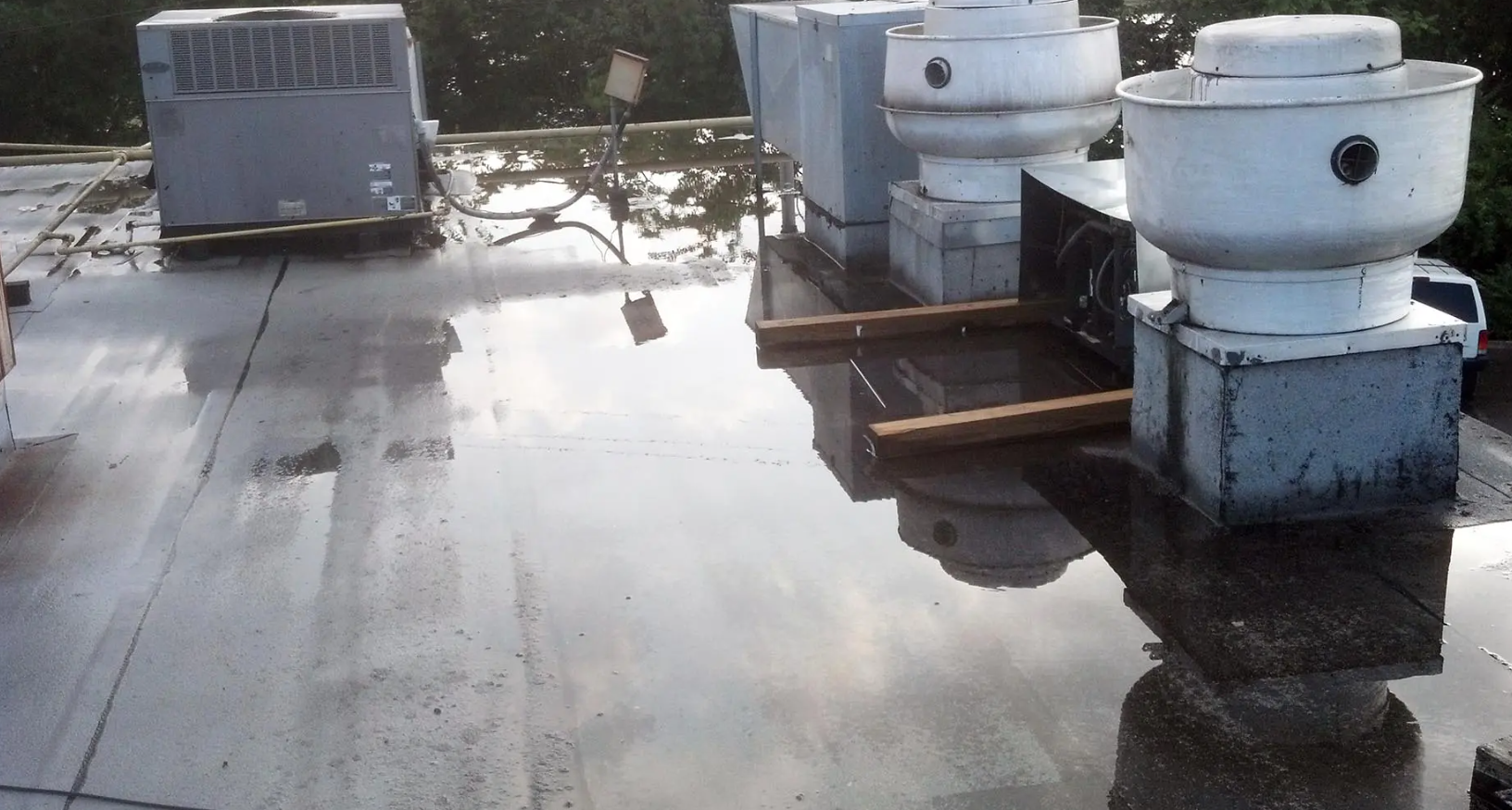
Insurance carriers aren’t villains, but their adjusters are trained to separate genuine storm damage from ordinary wear-and-tear because policies cover sudden storm events, not the slow aging of a roof you should have maintained. So the central question in almost every roof claim is: Was this caused by the storm, or was it already failing?
If you can’t prove the answer with objective, dated evidence, the adjuster’s default leans toward “pre-existing.” That’s how legitimate damage gets attributed to wear-and-tear, and how a roof that genuinely failed in a hurricane ends up only partially covered or denied. Your job is to remove the ambiguity.
The Documentation That Actually Holds Up
A few smartphone photos won’t carry a large commercial claim. What does hold up is a complete, organized evidence package:
Timestamped, GPS-tagged imagery. Every image dated and located, so there’s no question when or where it was captured.
Annotated damage maps. A scaled aerial map of the roof with each defect marked and correlated to the property’s plans so the adjuster can see exactly what failed and where, without guesswork.
Thermal moisture surveys. Infrared imaging reveals where water has penetrated beneath the surface invisible from the ground, but critical for proving the extent of intrusion.
HD video. A timestamped walkthrough that shows damage in context. Video is especially powerful in claims because it’s far harder for an adjuster to dispute than a still photo.
A written assessment from a licensed contractor. A professional condition report and repair scope from a credentialed roofer carries weight a homeowner’s-style claim never will.
Delivered together, this is the package carriers need to process a claim quickly and fairly and it’s exactly what SPC Roofers produces.
The 48-Hour Window
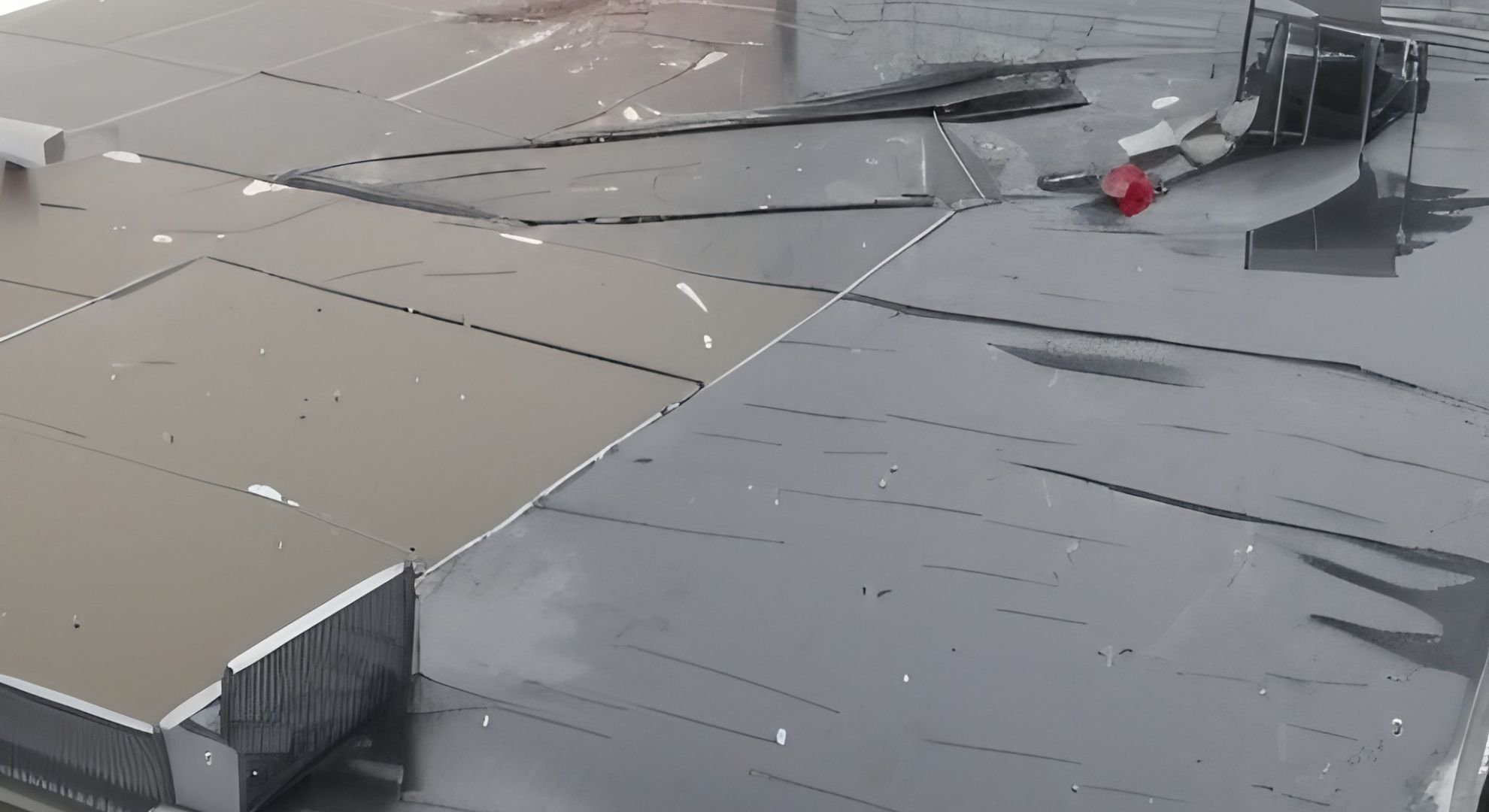
After a major storm, the documentation window is narrow, and it closes fast. Three things work against you the longer you wait:
- Water keeps moving. Intrusion spreads and the original failure point gets harder to identify.
- Emergency patching covers evidence. Necessary temporary repairs literally cover up the damage an adjuster needs to see.
- Adjusters get overwhelmed. When hundreds of commercial roofs need assessment at once, the claims that are already documented and organized get resolved first.
This is why rapid response matters so much. SPC Roofers offers 24/7 storm damage assessment, and our drone teams can begin documenting within hours of a storm’s passage capturing your roof’s condition objectively and completely before cleanup, patching, or further weather compromises it. That early, organized documentation is the single biggest factor in a clean settlement.
The Pre-Loss Baseline: Your Secret Weapon
The strongest claims start before the storm. A pre-season inspection establishes a documented baseline of your roof’s condition, which gives the adjuster an objective “before” to compare against the “after.” With a baseline on file, the wear-and-tear argument largely evaporates the dated record proves the damage is new. Without one, you’re arguing from memory against a trained skeptic.
We cover the full pre-season prep routine in our hurricane checklist, but the headline is simple: the cheapest insurance for your insurance claim is a dated inspection report from before the storm.
What to Do the Moment a Storm Passes
- Don’t climb the roof yourself. Post-storm roofs are wet, unstable, and dangerous. Document from the ground and get professionals up safely.
- Call your contractor first, for documentation. Get objective evidence captured before anything else happens.
- Make only necessary emergency repairs to prevent further damage and photograph thoroughly before you do.
- Notify your carrier and review your policy’s requirements.
- Keep every record organized inspection report, imagery, video, receipts, and correspondence.
Why SPC Roofers in Your Corner
We’ve been documenting and restoring Florida commercial roofs since 1978, and we know what carriers need to see because we’ve delivered it through countless storm seasons. Our role is to give you objective, professional, adjuster-ready evidence and a credentialed assessment that’s hard to dispute — so legitimate damage gets fully documented and compensated.
We’re fully insured, certified, and licensed, with a lifetime workmanship guarantee on the repairs and restoration that follow.
Storm Hit Your Building? Move Fast.
The clock starts the moment the weather clears. Get objective documentation before the window closes.
Call (904) 647-5945 for 24/7 storm damage assessment and a free inspection.