Old Commercial Roof vs. New Commercial Roof: A Critical Investment for Your Business
A commercial roof is more than a structural component, it protects your building, inventory, employees, and daily operations. Over time, however, even the most durable commercial roofing systems begin to deteriorate. Understanding the difference between an old commercial roof and a new one can help business owners and property managers make informed, cost-effective decisions.
The Risks of an Aging Commercial Roof
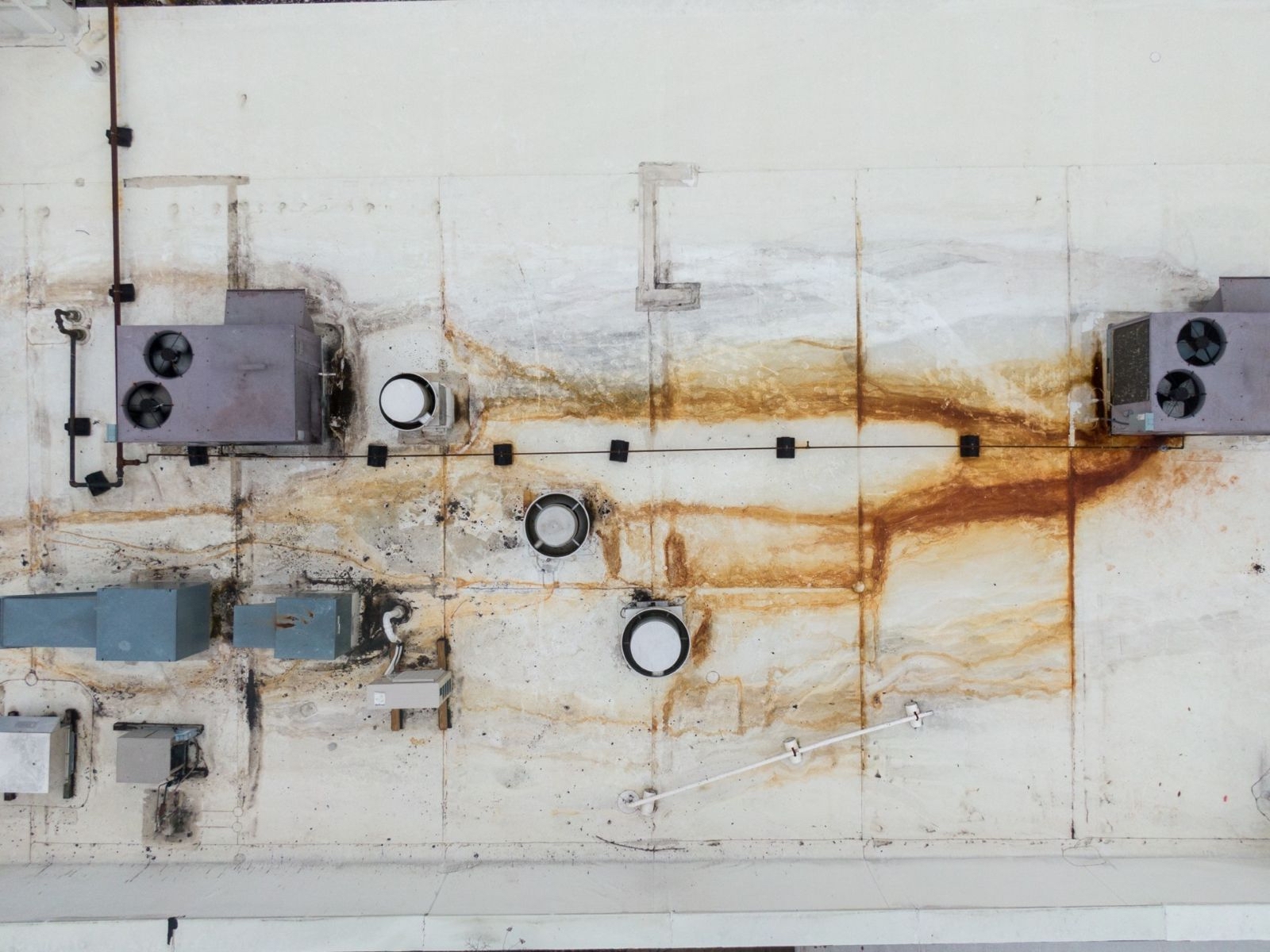
An old commercial roof often shows warning signs long before it fails completely. Common indicators include ponding water, membrane cracks, blistering, seam separation, loose flashing, and recurring leaks. These issues don’t just affect the roof, they can disrupt business operations, damage equipment, and create safety hazards.
As commercial roofing systems age, their ability to resist weather, UV exposure, and temperature fluctuations diminish. Minor problems can quickly escalate into major repairs or even interior damage. For businesses, unexpected roof failures can mean downtime, lost revenue, and costly emergency repairs.
Performance and Energy Efficiency
Many older commercial roofs were installed before modern energy-efficiency standards were in place. Worn membranes, poor insulation, and outdated materials allow heat transfer that drives up heating and cooling costs especially in large commercial buildings.
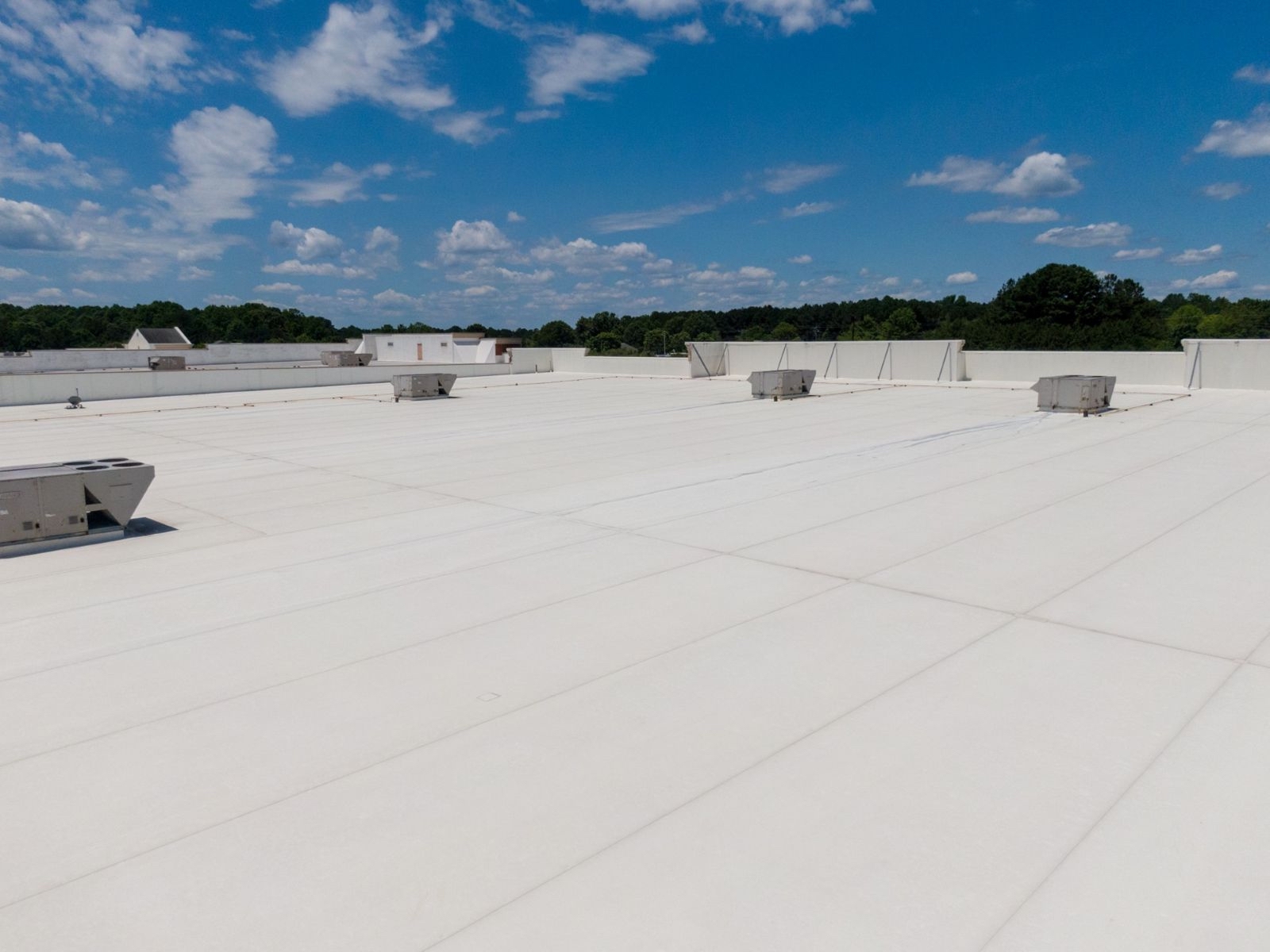
A new commercial roof is being engineered for performance. Today’s systems often include improved insulation, reflective membranes, and enhanced ventilation that help regulate indoor temperatures. The result is reduced energy consumption, lower utility bills, and a more comfortable environment for employees and tenants.
Maintenance Costs: Reactive vs. Proactive
Older commercial roofs typically require frequent repairs and ongoing maintenance. While patching leaks may seem cost-effective in the short term, repeated fixes can become expensive and unreliable. Over time, maintenance costs may exceed the cost of replacement without delivering long-term security.
A new commercial roof shifts your strategy from reactive to proactive. With modern materials and proper installation, maintenance needs are significantly reduced. Many new roofing systems come with manufacturer warranties that provide long-term protection and predictable budgeting.
Business Image and Property Value
The condition of your roof directly impacts how your business is perceived. Water stains, ceiling damage, and visible exterior wear can send the wrong message to clients, tenants, and investors.
A new commercial roof enhances the overall appearance and professionalism of your property. It also increases building value, making it more attractive to tenants and potential buyers. For multi-tenant or leased properties, a new roof can be a strong competitive advantage.
Planning for the Long Term
While replacing a commercial roof is a significant investment, delaying replacement often leads to higher long-term costs. Emergency repairs, energy loss, and interior damage can quickly exceed the planned cost of a new system.
Investing in a new commercial roof provides durability, efficiency, and peace of mind. With proper planning, replacement can be scheduled to minimize disruption to business operations while delivering decades of reliable performance.
The Bottom Line
An old commercial roof may still be functional, but it often operates at reduced efficiency and increased risk. A new commercial roof is not just a repair, it’s a strategic investment in your building’s performance, safety, and value.
If your commercial roof is showing signs of age or causing recurring issues, now is the time to consider a professional evaluation. Upgrading your roofing system can protect your business today and support its growth for years to come.